Building Economic Pathways in Umoja
In the heart of Nairobi’s Eastlands area sits Umoja, a vibrant yet resource-constrained neighborhood where over 140,000 residents navigate the daily challenges of urban life. Like many high-density, low-income communities in Kenya’s capital, Umoja faces limited economic opportunities—yet it’s also a place brimming with entrepreneurial spirit and untapped potential.
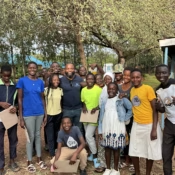
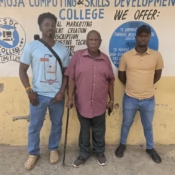
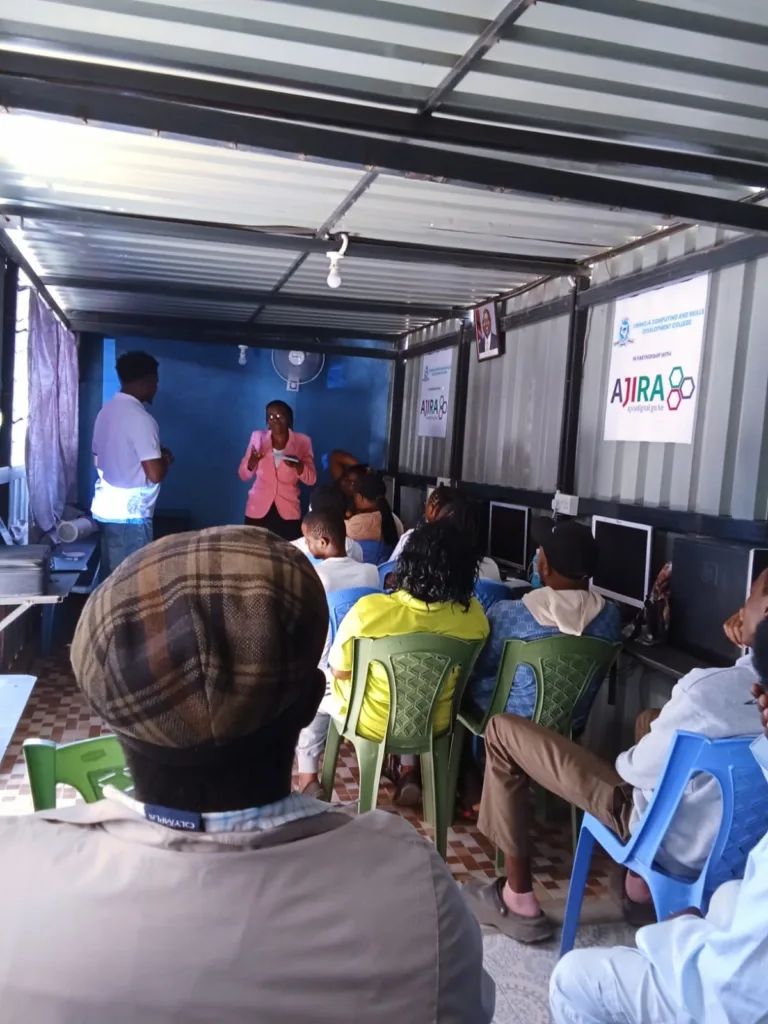
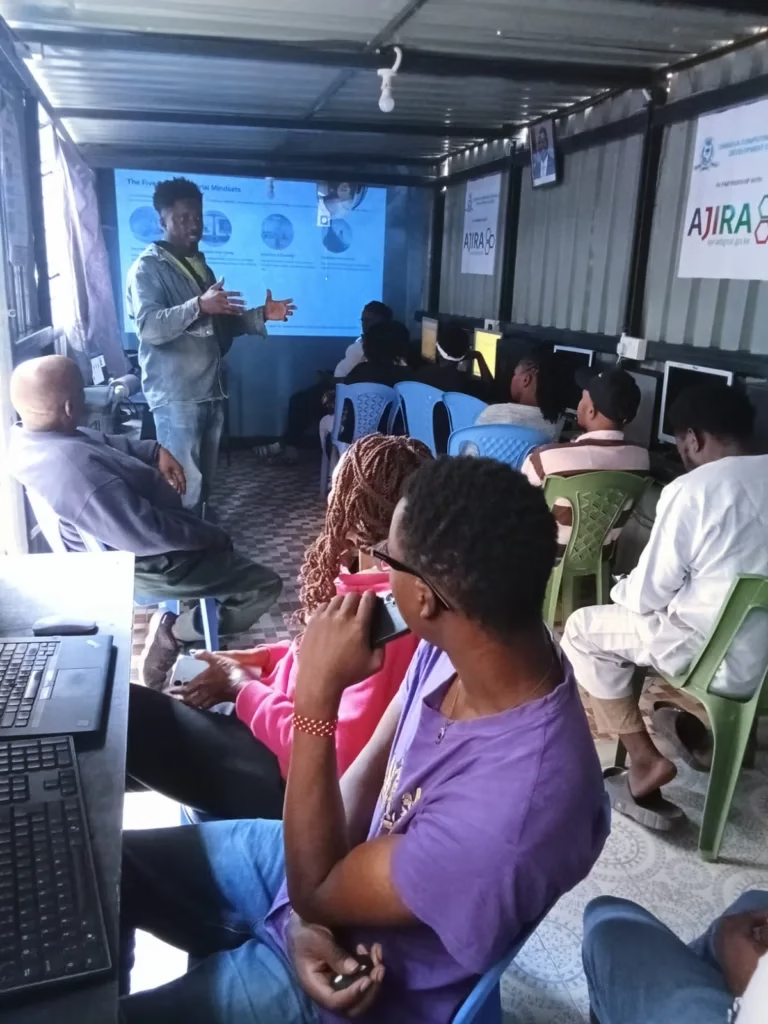
Earlier this year, Global Impact Innovators partnered with Ummoja Disability Center to bring something transformative to the community: a comprehensive entrepreneurship training program. What started as an opportunity to complement the Center’s excellent ICT training quickly became something far more inclusive and powerful.
The Partnership: Beyond Disability, Embracing Community
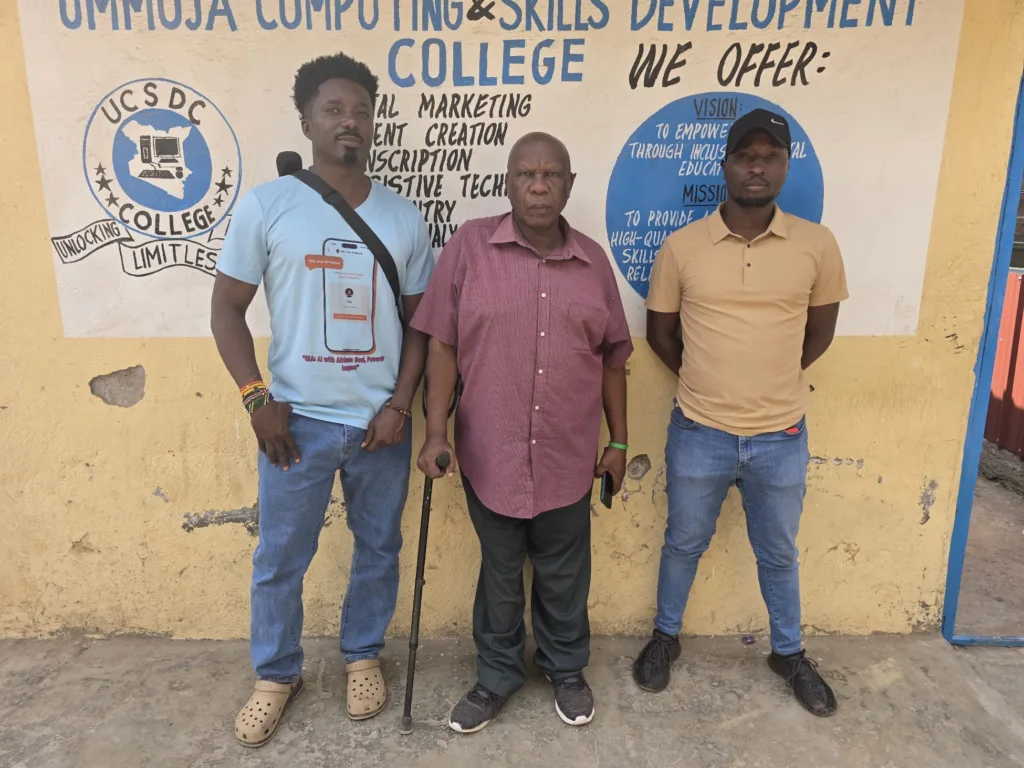
The Ummoja Disability Center has been steadfastly providing ICT skills training to people with disabilities, recognizing that technical literacy is a pathway to economic participation. When we began discussions about bringing entrepreneurship curriculum into the mix, something beautiful happened. The Center leadership made an intentional decision: while designed to serve people with disabilities, the program would be open to everyone in their community.
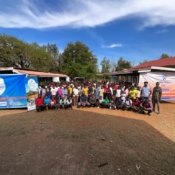
This decision changed everything. It meant that over the three months of the program, we welcomed not just Center members, but neighbors, young people, and aspiring entrepreneurs from across Umoja—creating a truly mixed cohort that reflected the diversity and determination of the neighborhood itself.
From ICT to Income Generation: The Curriculum
Our entrepreneurship program didn’t teach textbook theory. Instead, we explored the full spectrum of how people actually create livelihoods in communities like Umoja:
- Traditional Business Models: How to identify opportunities, validate ideas, and launch small enterprises.
- The Freelancing Revolution: Teaching participants about digital work—from content creation to virtual assistance—and how they could tap into global markets without leaving their community.
- Marketing & Brand Building: Practical strategies for reaching customers and building reputation.
- Multiple Income Streams: Helping participants think creatively about monetizing skills they already had.
What impressed us most was the eagerness. Participants didn’t just want to learn—they came with concrete ideas. Some wanted to formalize businesses they’d already started informally. Others saw freelancing as a way to earn in Kenyan shillings while accessing global rates. The disability community brought particularly insightful perspectives on how to build inclusive, accessible businesses.
Why This Matters
Umoja is a high-density housing neighborhood in Nairobi’s Eastlands, approximately 8.4 kilometers from the city center Wikipedia. Like many fast-growing urban areas in Kenya, it faces infrastructure challenges, limited formal employment, and the pressure of concentrated poverty. Yet its residents—hardworking, innovative, resourceful—have shown that given opportunity and training, they don’t just survive; they build.
By opening the program beyond disability services, the Ummoja Disability Center modeled something important: that inclusive development isn’t just moral—it’s practical. The mixing of perspectives made the training richer. Participants learned from each other. Ideas cross-pollinated.
Looking Forward
This three-month program was just the beginning. We’ve already committed to returning next year with a new cohort. Based on participant feedback and the energy we witnessed, we’ll be refining our curriculum, deepening mentorship components, and creating pathways for cohort alumni to support newcomers.
The real measure of success isn’t certificates issued—it’s the small businesses registered, the freelancing gigs landed, the first sale made, the employment created. We’re already hearing stories. We’ll be back with more.
Because in Umoja, as in communities across Africa, the entrepreneurial potential has never been the question. Access to opportunity—that’s what we’re here to unlock.
Read more about how we support youth and women in Africa through our entrepreneurship training programs.